Chronicle · Liberia
Liberia, the city everyone passes through and few truly know
Liberia began in 1769 as a place to rest along the road, and more than two and a half centuries later it remains a stopover city. This is my invitation to stay a little longer.

Juan Vegas Tocci · Founder & Host
October 11, 2026
Graphic designer and founder of Casa Buda Liberia. I write about the Liberia I would recommend to a friend.
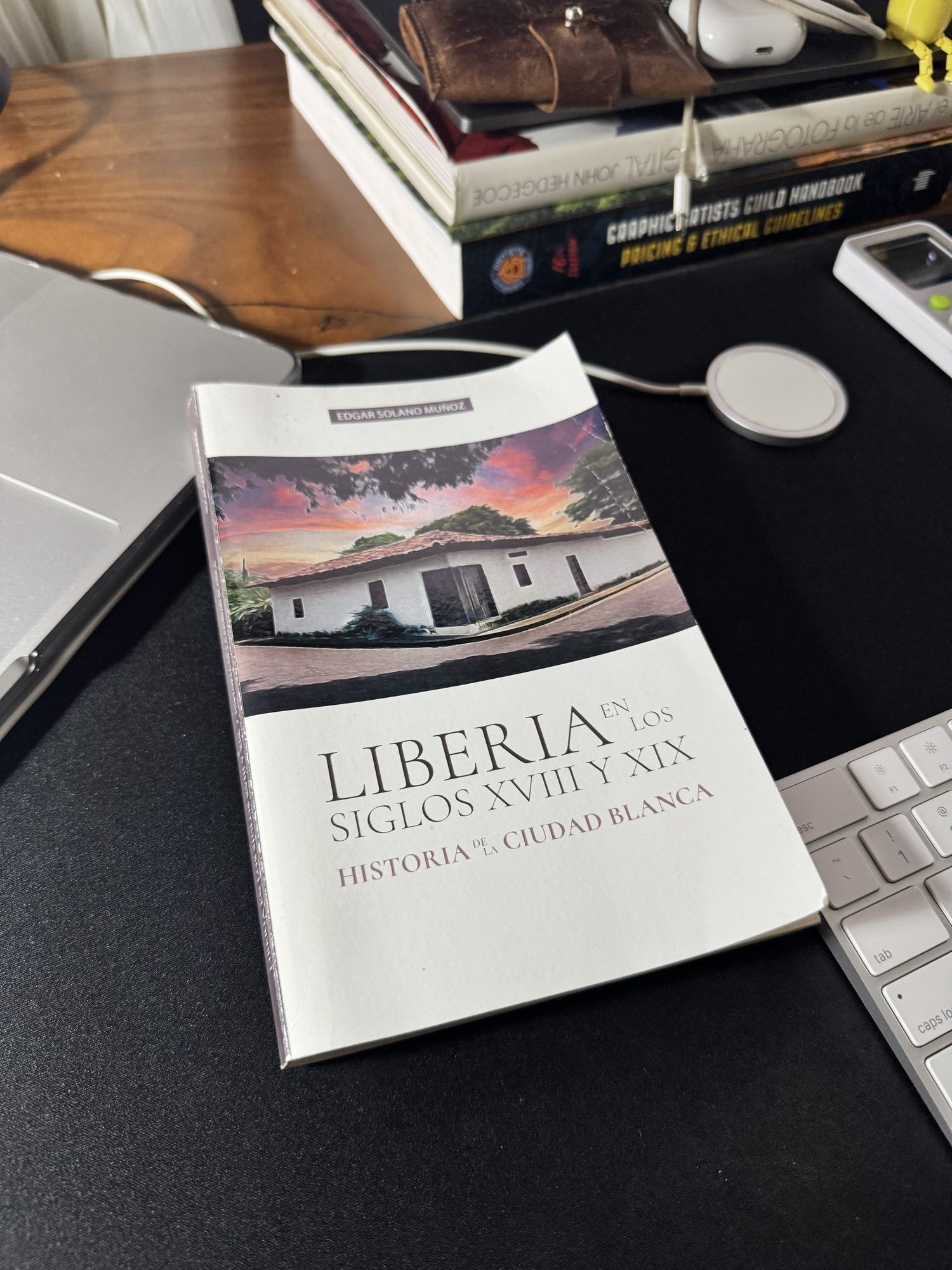
It all began with a book. For the past few weeks I have been reading Liberia en los siglos XVIII y XIX. Historia de la Ciudad Blanca, by Edgar Solano Muñoz, and one idea stayed with me longer than I expected: Liberia began as a place where travellers stopped to rest before continuing their journey.
In 1769, where the roads from Rivas, Bagaces and Nicoya met, a small chapel was built. A settlement grew around it that people called El Guanacaste, after the enormous trees that shaded travellers and cattle. People coming down from the north towards the centre of the country stopped here to eat, water their animals and spend the night. The next day, they continued on their way. It was not until 1854 that the town received the name it has today: Liberia.
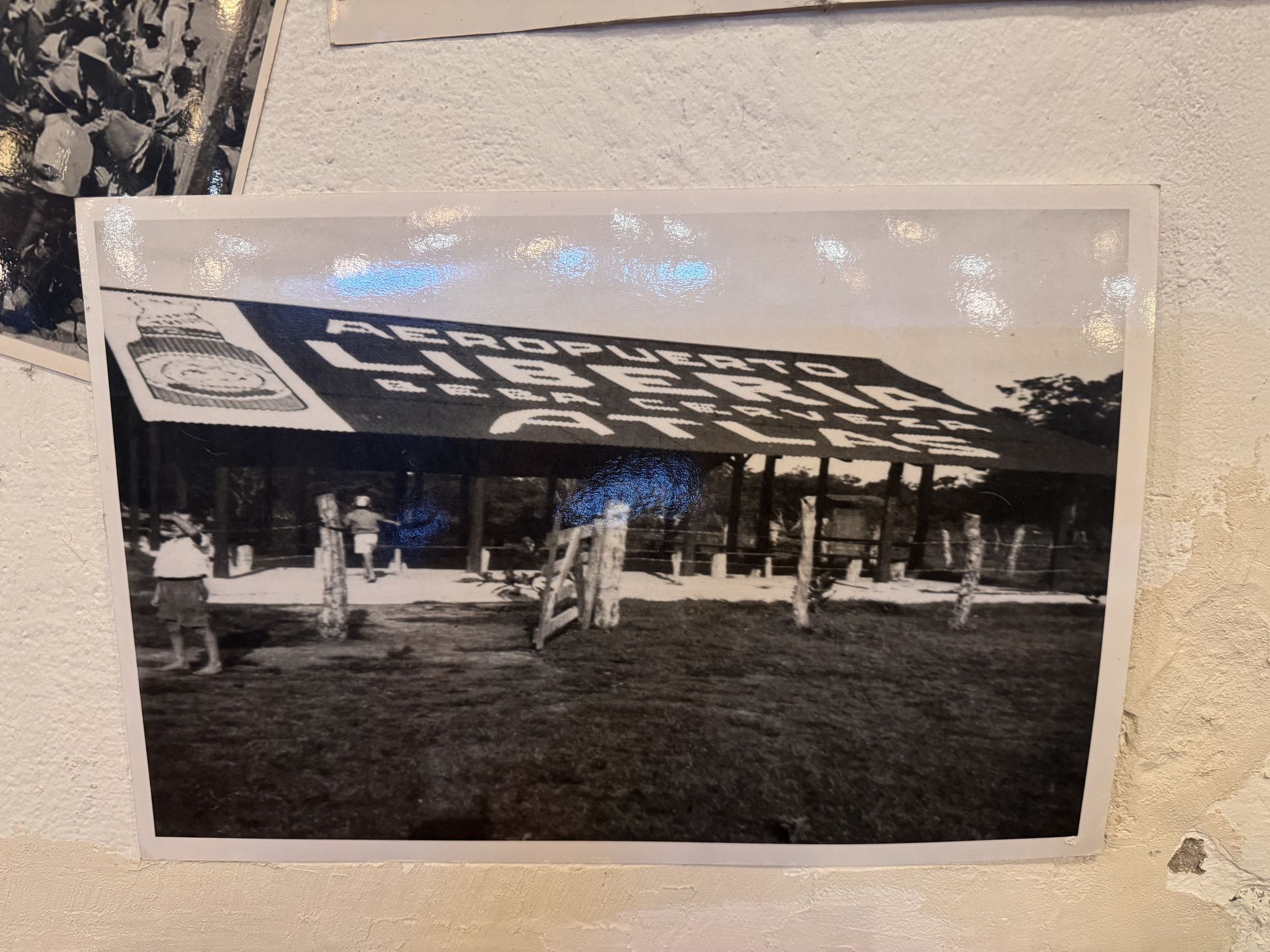
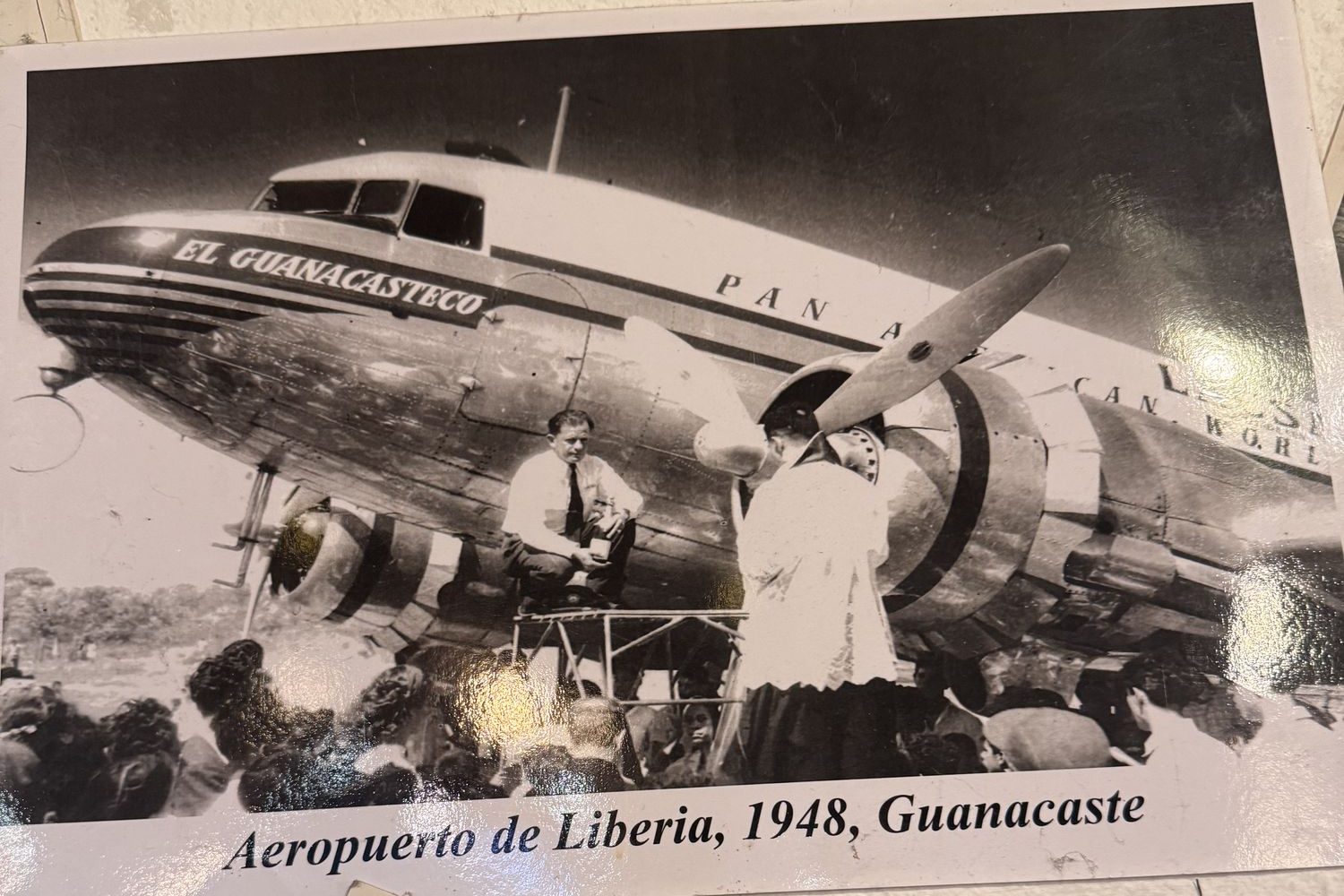
The curious thing is that, more than two and a half centuries later, little has changed at heart. Today the road is an international airport and travellers arrive with wheeled suitcases instead of carts, but most still do the same thing: land, sleep for one night and continue to the beach. Liberia remains the city where you rest from the journey. Far from seeing that as a weakness, I think it is part of its charm.
Everything is close
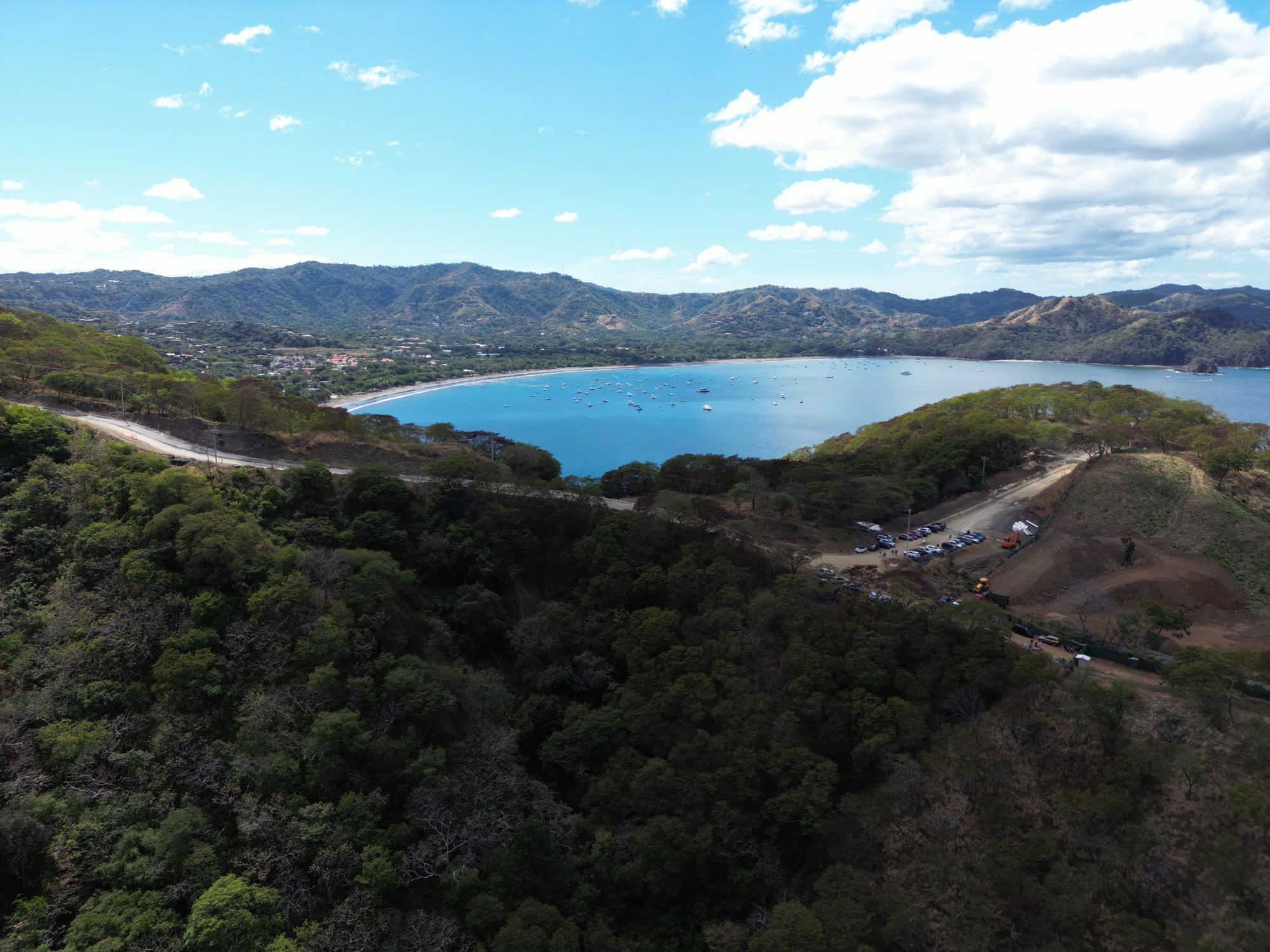
Stop for a moment and look at the map, and you understand why the roads crossed here. Liberia is in the middle of everything. In about 30 minutes you can be standing before a waterfall like La Leona or swimming in a turquoise pool. Rincón de la Vieja and Miravalles are just around the corner, as are the hot springs. To the southeast are Bijagua and Río Celeste; to the west, the Pacific beaches.
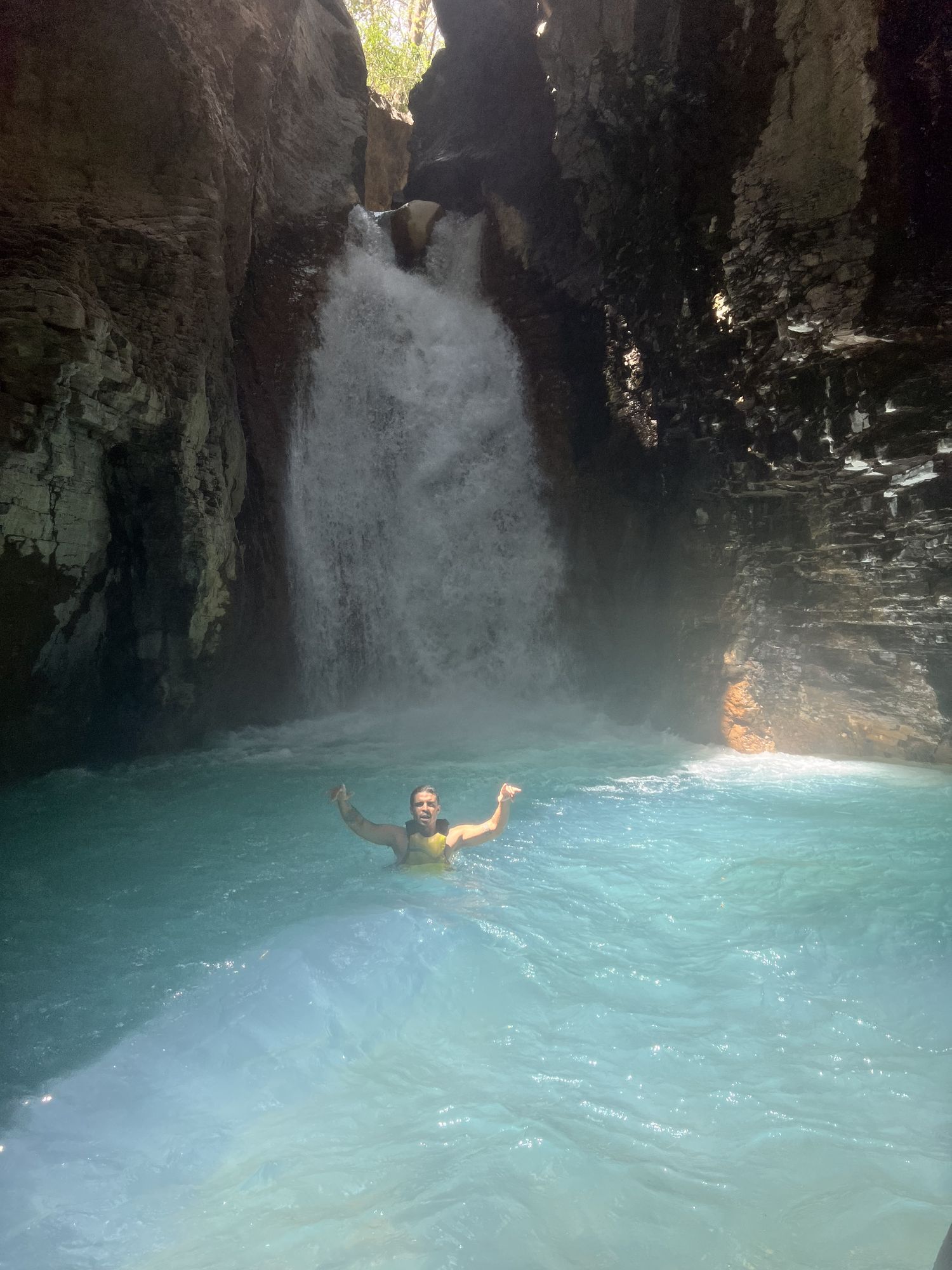
Few cities in Costa Rica offer this mix: volcano in the morning, beach in the afternoon and a good dinner at night, without having to change where you are staying.
The city that sorts things out
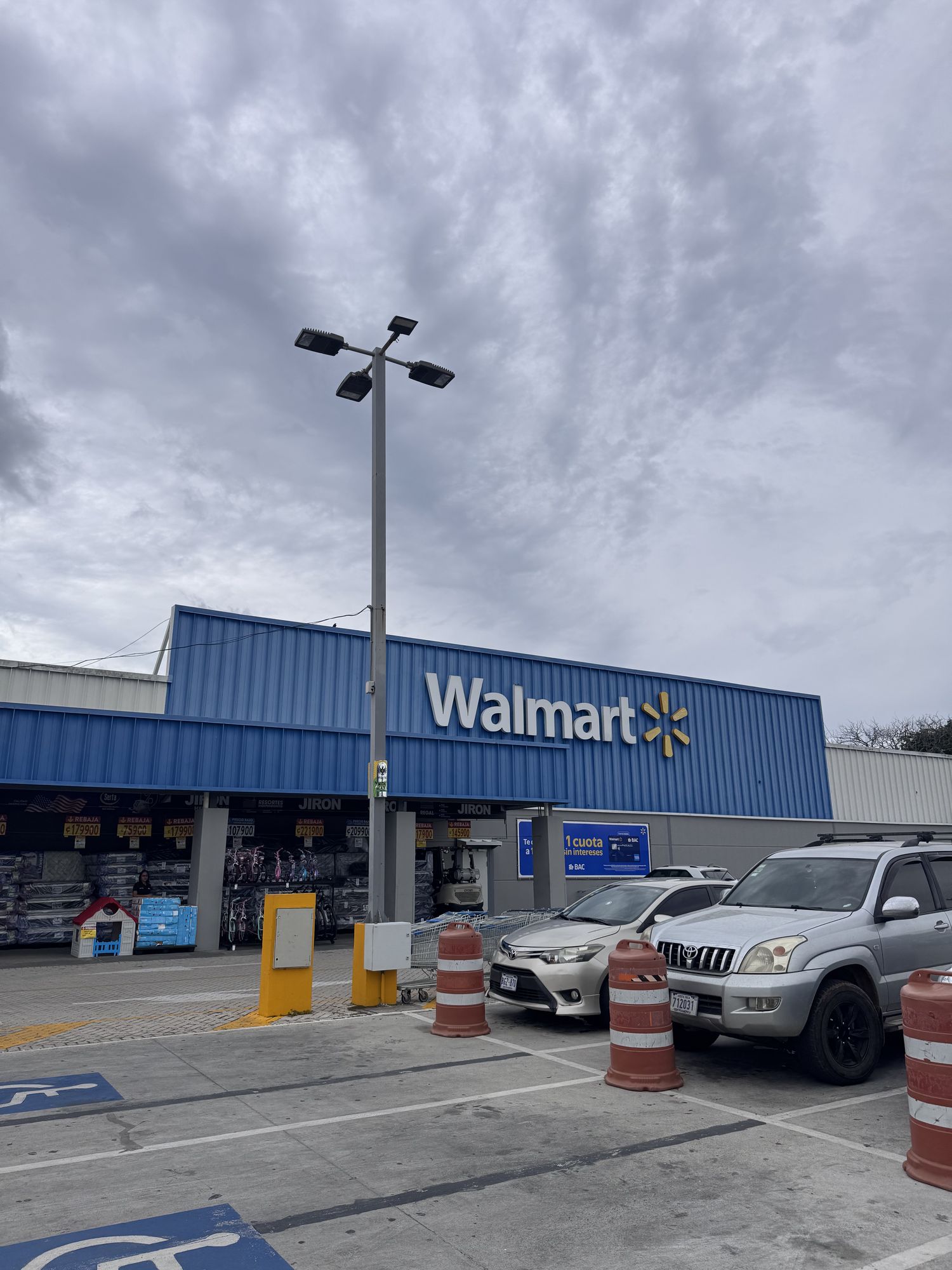
That location has another advantage few travellers appreciate until they need it: Liberia is the city that sorts things out. The banks, car dealerships, PriceSmart, Walmart and large supermarkets are all here—the things you cannot find on the coast, or that are much harder to get. If something broke, you need cash or you want to stock up properly before heading to the beach, this is the place.
The city is also growing quickly. More flights arrive each season, new places open and there is a sense of movement that did not exist a few years ago.
The food here is genuinely good
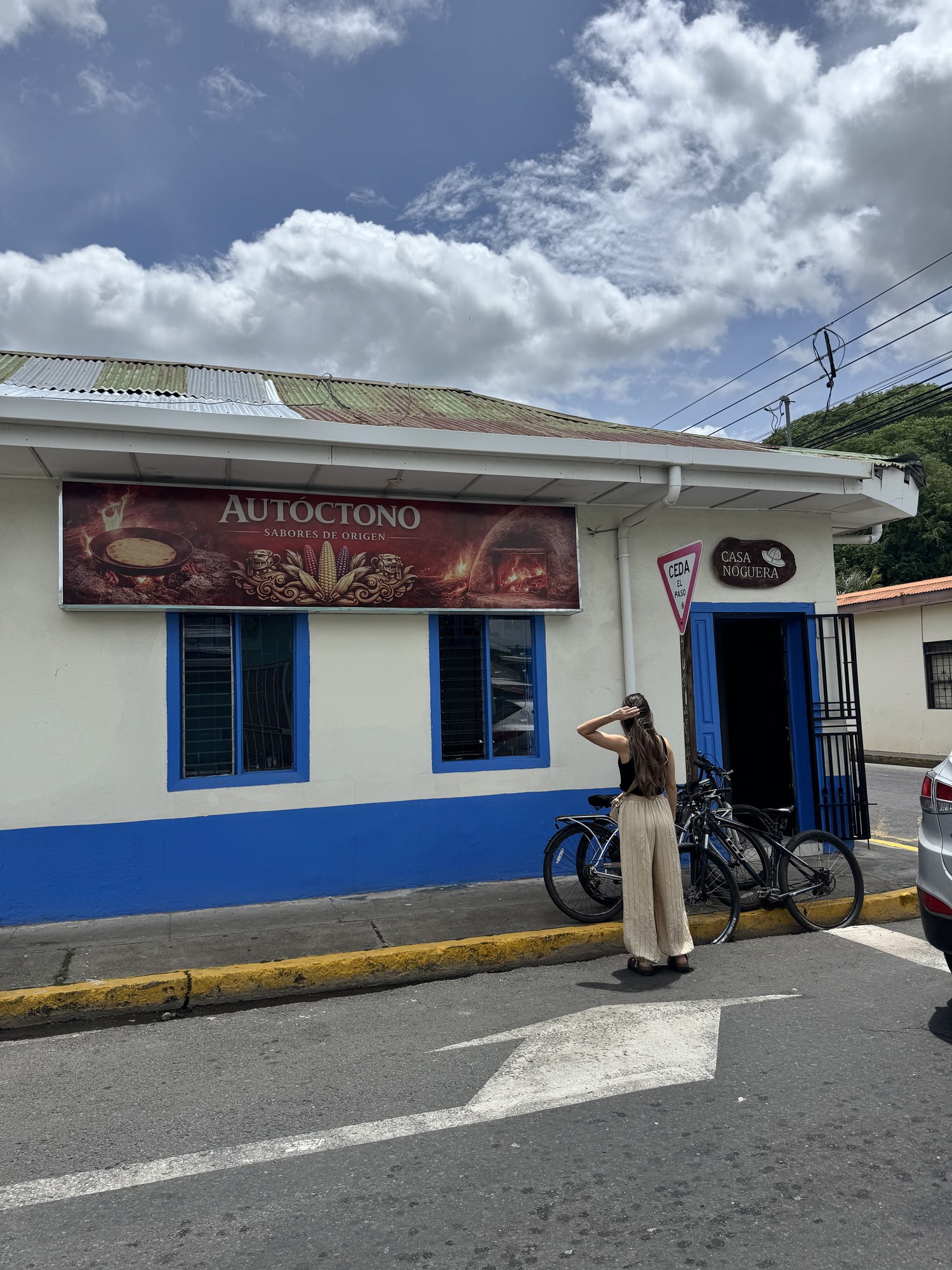
I will say something that surprises many of our guests: the food in Liberia is very good. Some places justify a visit on their own, such as Sabor Porteño, Astorga or La Forqueta. For something simpler and full of flavour, Sr. Patacón serves the best rice and beans in town, while Pizzería Los Juanchos makes the best pizza in Liberia—and possibly in Costa Rica. If you want real Guanacaste food, cooked as it would be at home, Autóctono is a safe bet: they cook over wood, as people always have in Guanacaste.
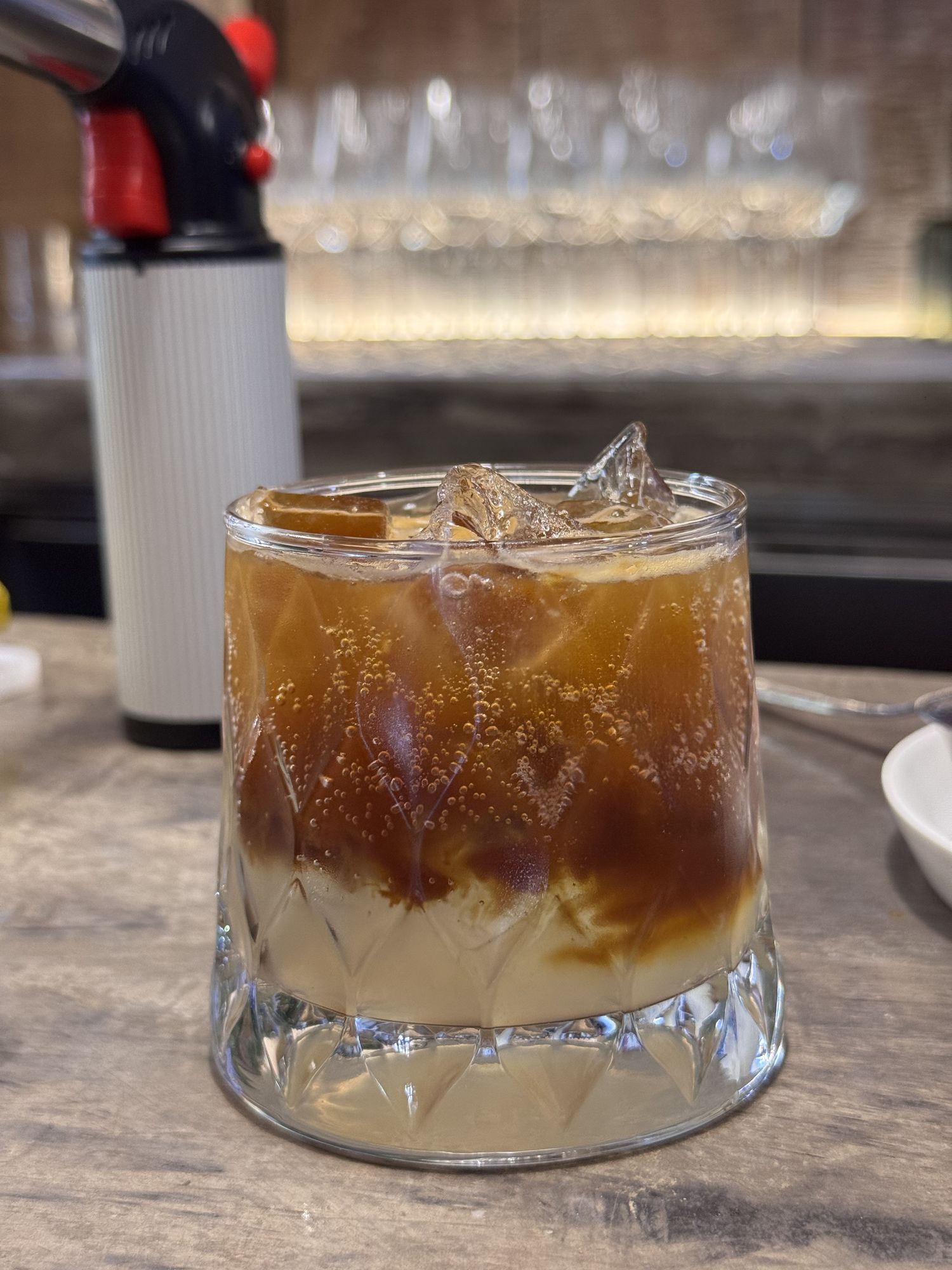
Coffee deserves a chapter of its own. There are more speciality cafés than you would expect in a city this size: Meztli, Avenida 4, Café Negro, La Cabaña, Dobore… Finding good coffee or good bread in Liberia is no challenge at all.
What I enjoy most, though, is the authentic food: traditional Guanacaste cooking, still prepared as it would be in a grandmother's home. If you have the chance, order arroz de maíz. It is one of those dishes that tells you exactly where you are.
The Guanacaste spirit
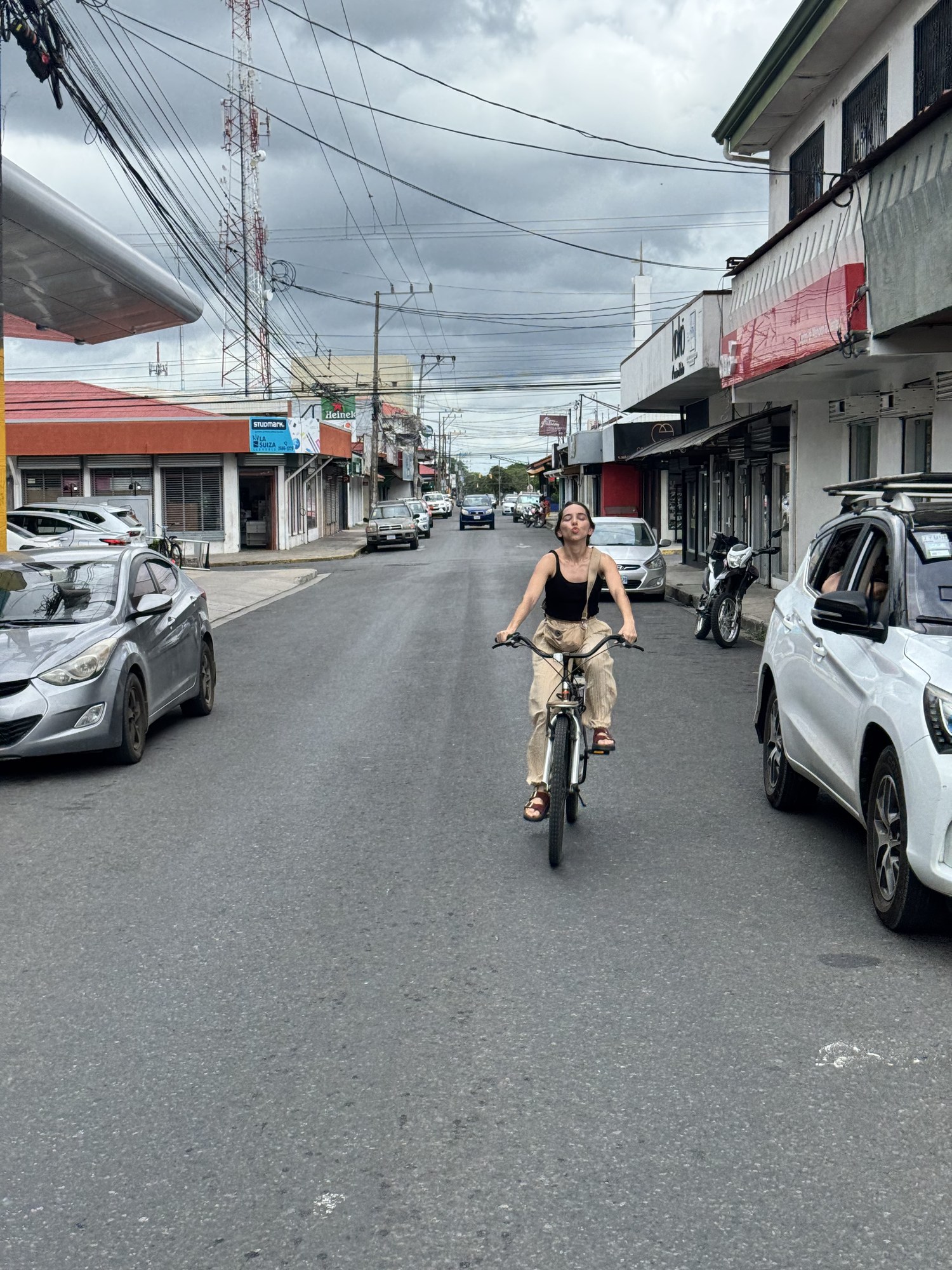
There is a Liberia you only discover by walking slowly. It is the man in a hat, sitting in a chair on his front porch and watching the afternoon go by. It is the central park, with its unique atmosphere and scenes that only happen here. It is the Museo del Sabanero, which reopened in January 2026 and is gradually telling the story of the sabanero culture that shaped this province.
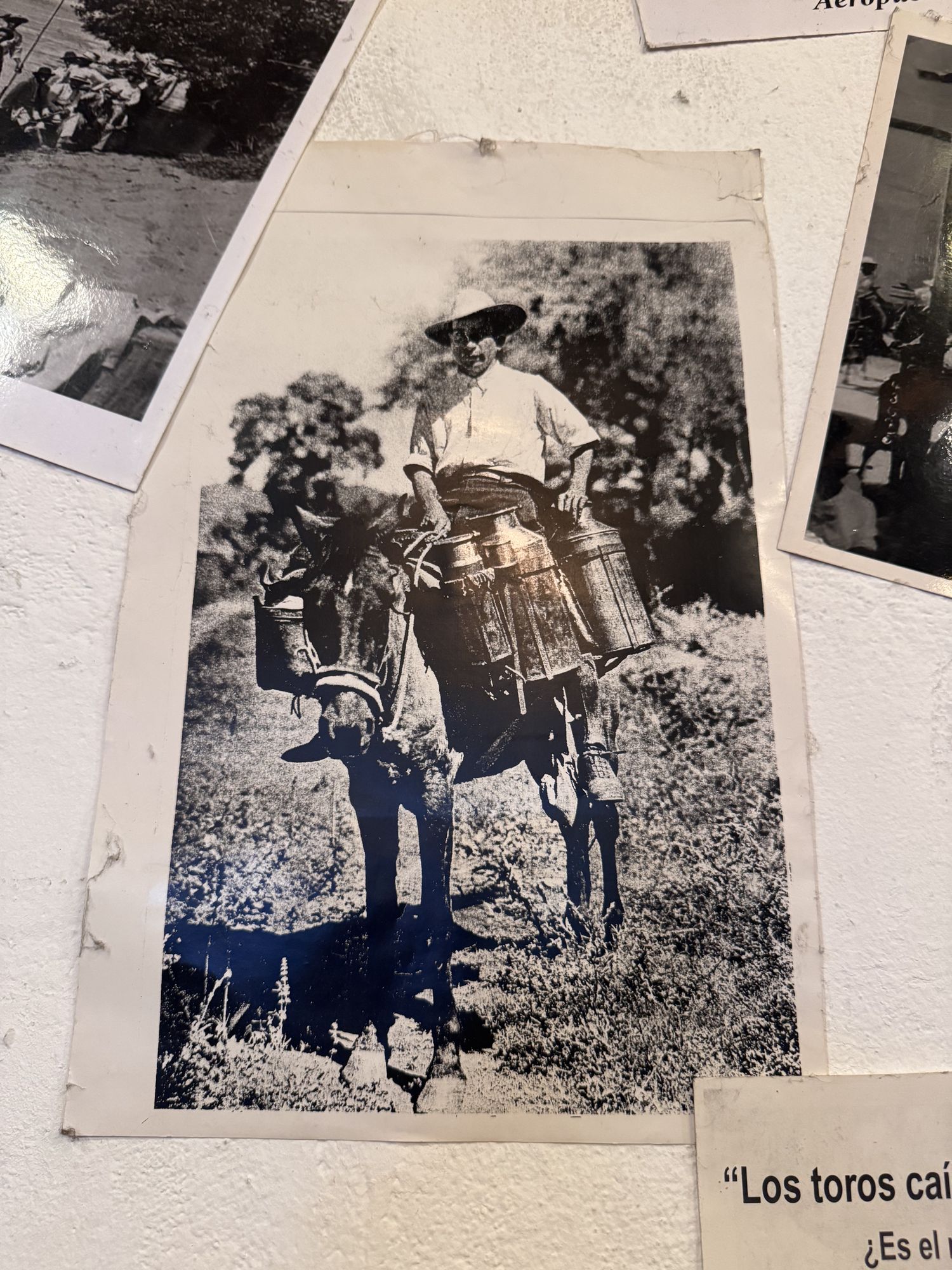
People from Guanacaste have a character all their own. When this territory joined Costa Rica in 1824, many people felt neither Nicaraguan nor Costa Rican: they felt Guanacastecan. That feeling is still alive today; I see it every day. It is precisely this deep attachment that keeps the culture, food and traditions so present.
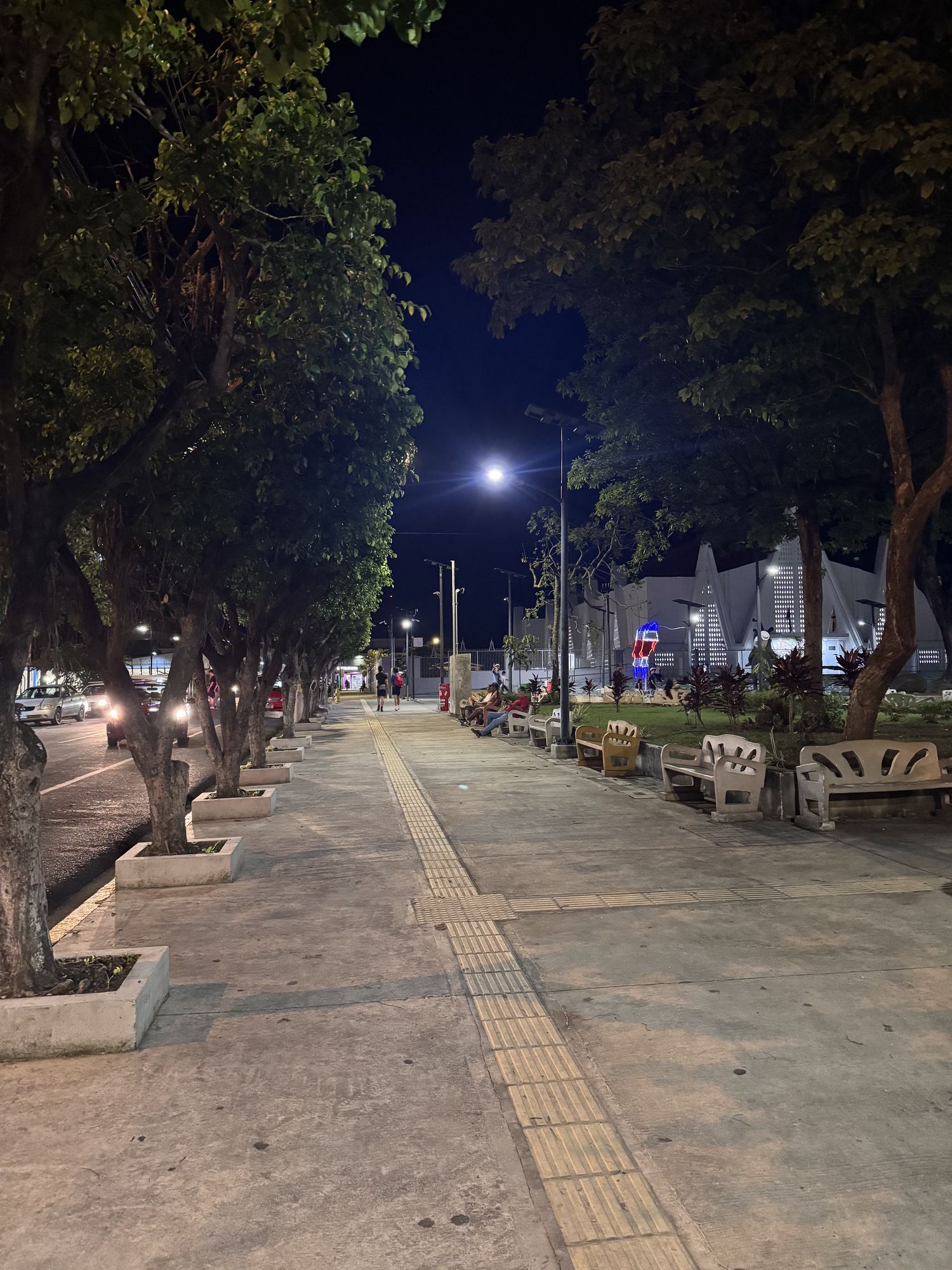
Sometimes I imagine a Liberia with musicians in the park, tables on the pavements, tourists on free walking tours and more spaces for its culture. I think it is heading in the right direction.
My essentials
If you are passing through Liberia, even for one night, this is my list:
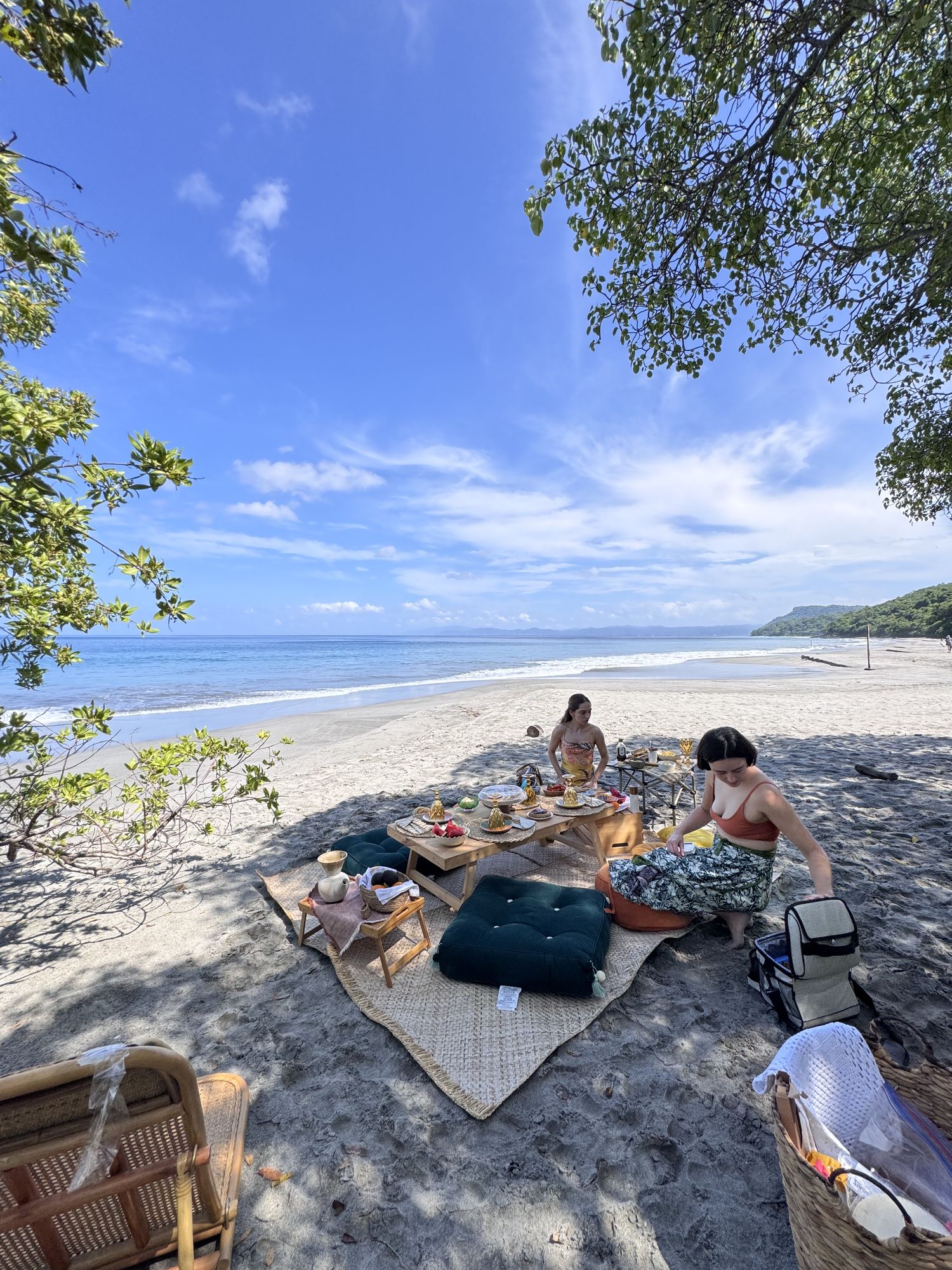
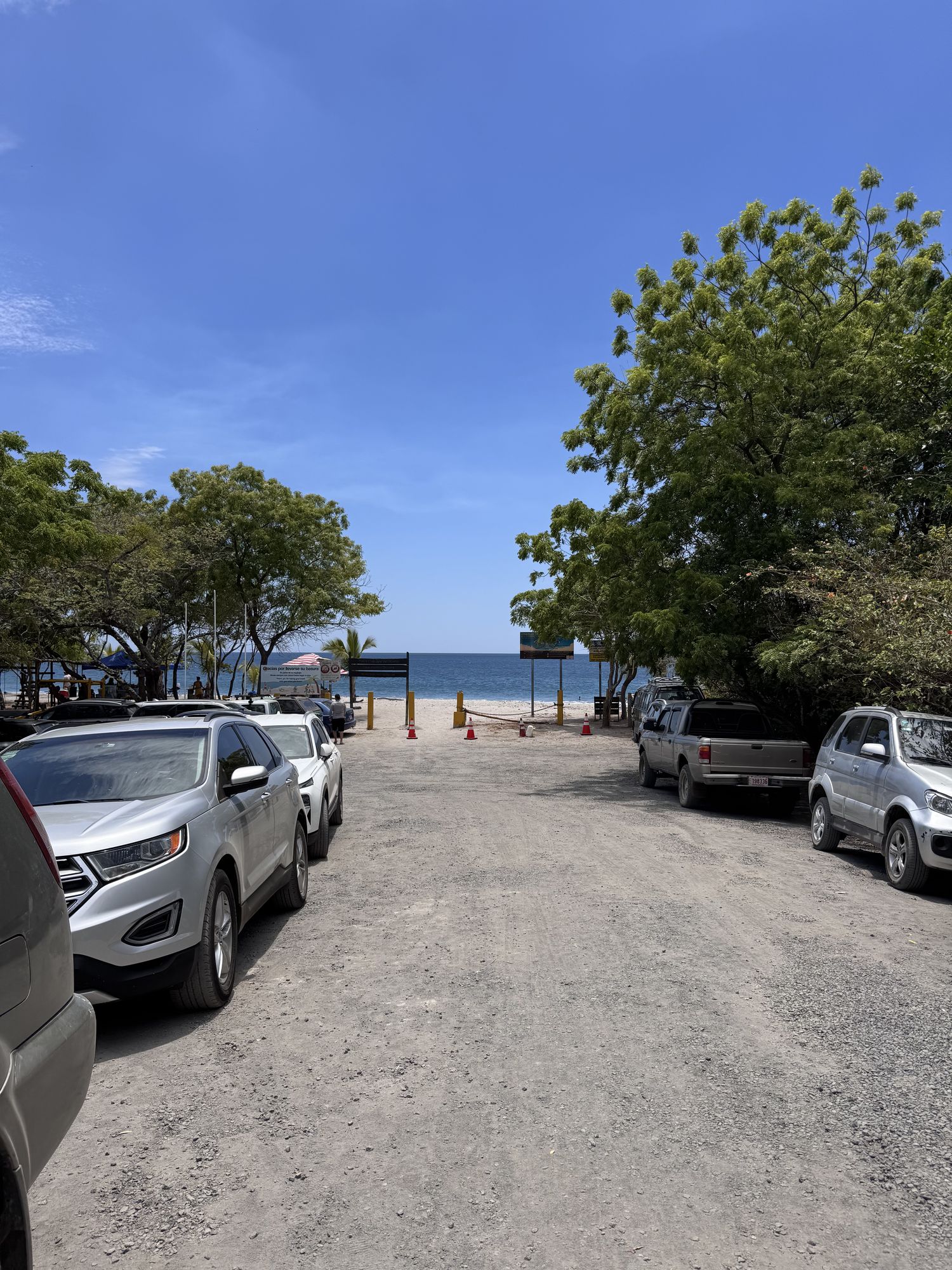
- Playa Cabuyal: for me, Liberia's best beach.
- La Leona Waterfall: about 30 minutes away; you have to walk and swim a little to reach it, and it is worth every stroke.
- The viewpoints: just outside the city, including Mirador de Liberia, Mirador Atardecer de Curubandé and Mirador de Cañas Dulces, where you can watch the sun set over the Guanacaste plains. It is best to go with company.
- Sabor Porteño: a classic. Every ceviche and pasta dish is incredible; I am dedicating a full article to it.
- Pizzería Los Juanchos: the best pizza in Liberia, and possibly in Costa Rica. Order the burrata pizza.
- Autóctono: everything is cooked over wood, and you taste it in every bite. This is how people have always eaten in Guanacaste; the arroz de maíz is essential.
- La Selegna: the traditional sabanero bar, with a New York Times feature framed on the wall; it will also have its own article.
- Museo del Sabanero: to understand where all of this comes from.
- The central park: sit for a while and watch the city go by.
Stay one more night
Liberia began as a place where travellers could rest from the road, and all these years later it still keeps that promise. My invitation is simple: when you come, do not treat it only as a stopover. Stay one more night. Walk its streets, order a coffee, sit in the park and talk to someone. You will understand why some people arrive in Liberia for one night and end up staying.